The Tuscan Farmhouse: History and Charm of an Icon
Crossing the stunning Tuscan countryside — from the rolling hills of the Val d’Orcia, a World Heritage site, to the vast expanses of the Maremma — it is impossible not to be captivated by the farmhouses that dot the landscape. Many of these structures have undergone recent transformations, often linked to tourism: interventions that, while preserving the ancient walls on one hand, have sometimes reinterpreted (or altered) their original agricultural function on the other
THE ORIGINS: BETWEEN THE MIDDLE AGES AND THE RENAISSANCE
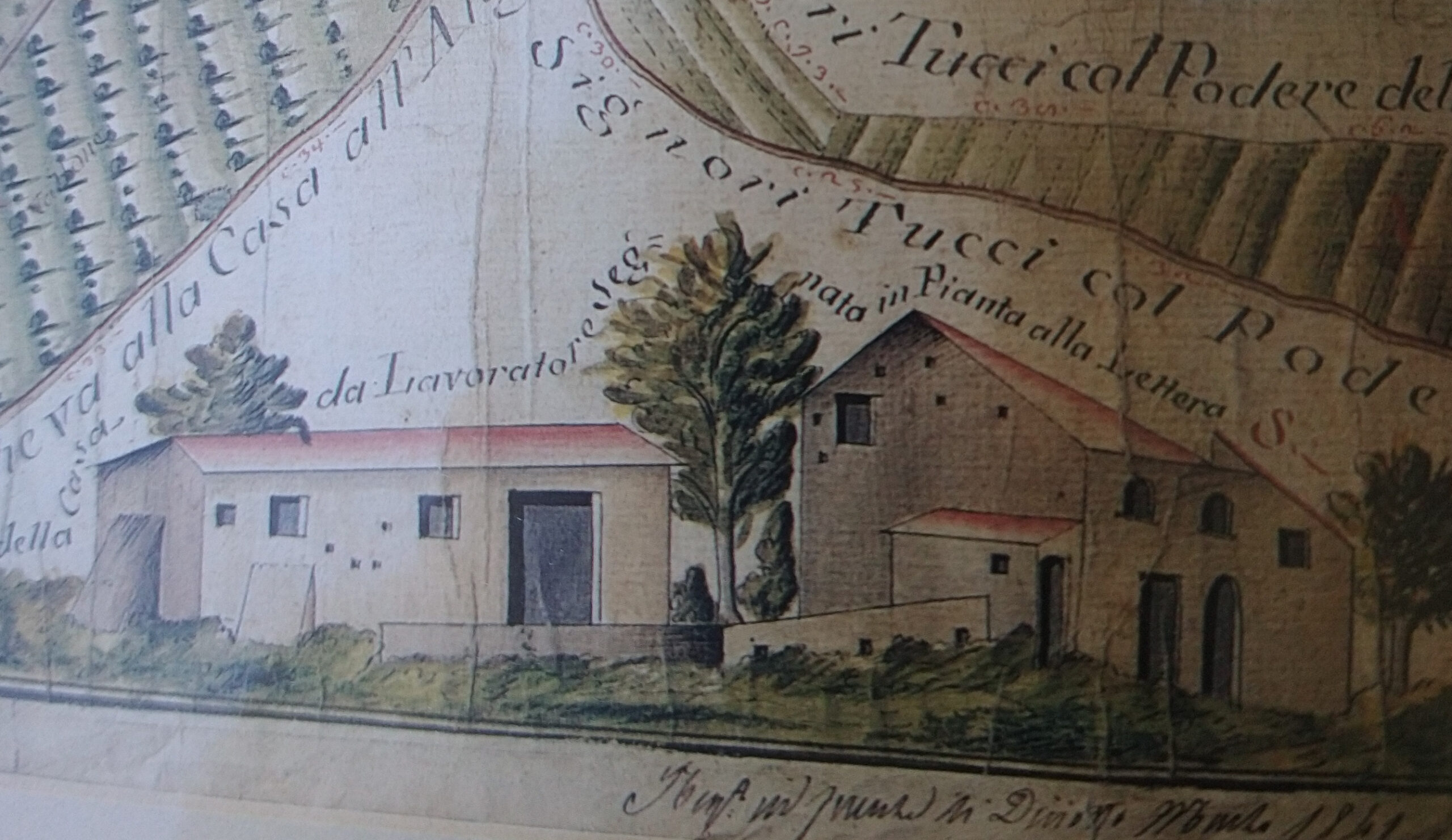
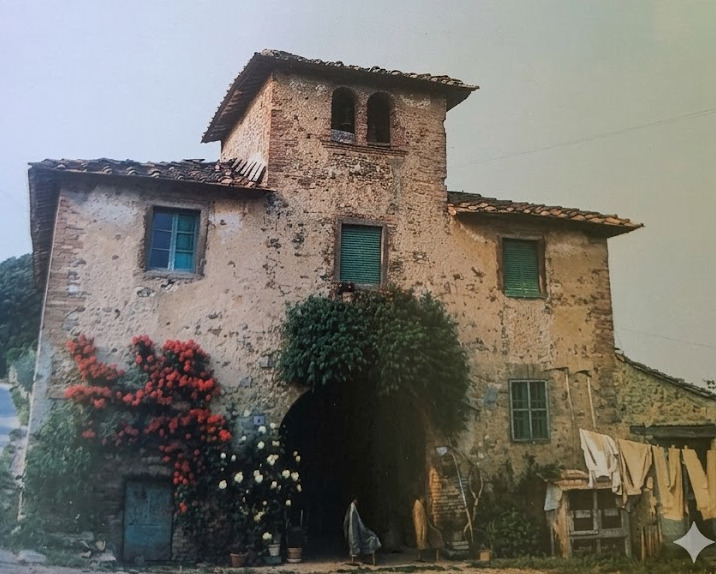
The dwellings we admire today in glossy magazines are the result of centuries of evolution. It all began in the medieval period, when the landscape was dominated by ‘case da padrone’ (manor houses) — solid stone structures, often featuring a tower — in stark contrast to the ‘case da lavoratore’ (workers’ houses), built with poor and modest materials.
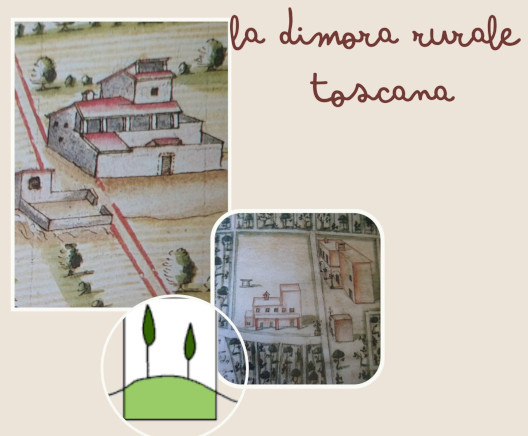
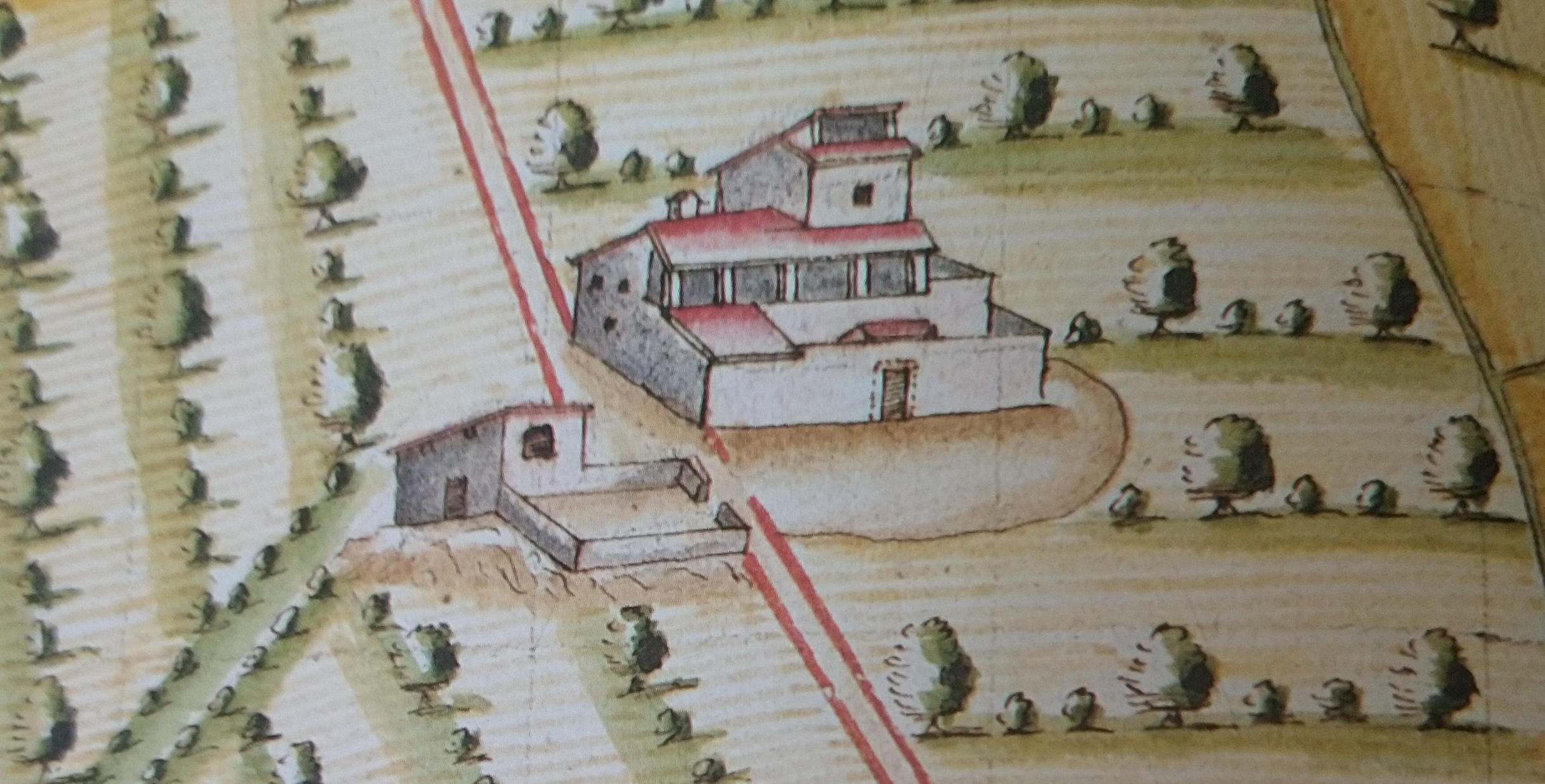
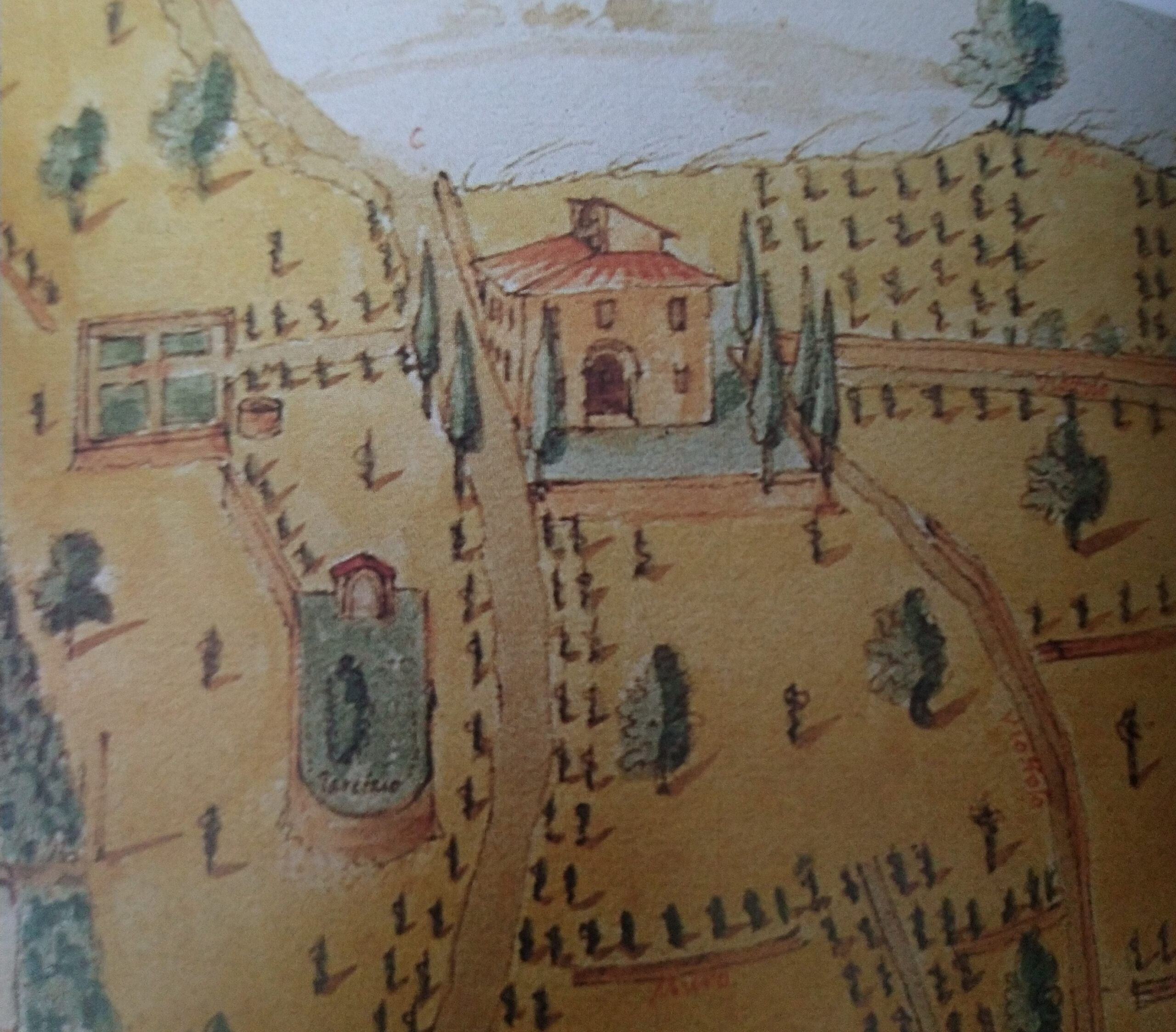
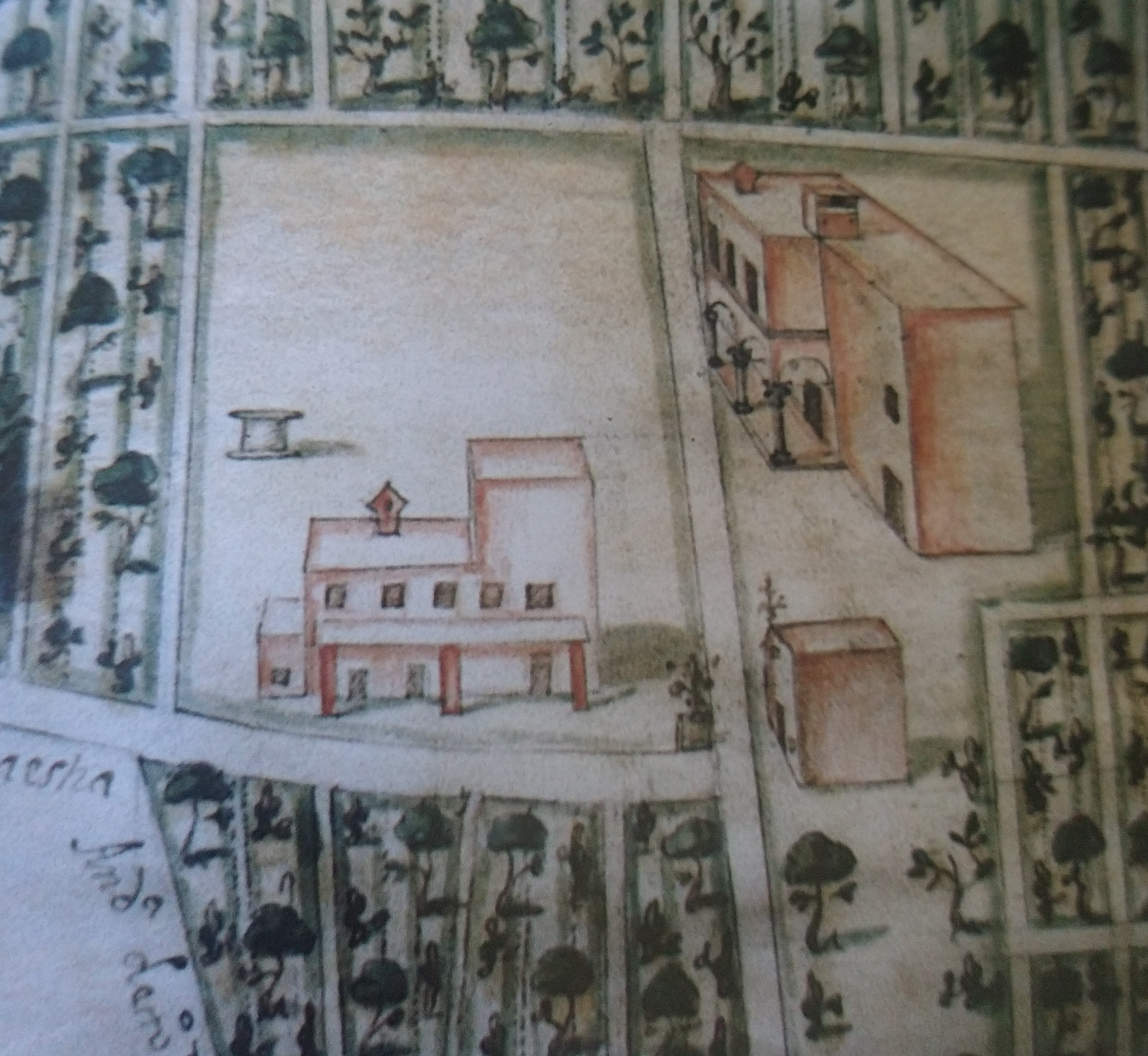
A true architectural renewal took place between the 15th and 16th centuries. During this period, peasant dwellings began to be built by the same skilled craftsmen who worked in the cities, introducing the systematic use of stone, pebbles, and brick. We can still imagine their original essence today by leafing through the ‘cabrei’ of the Stratto Pitti—a precious collection of maps of the estates once owned by the historic Florentine family
The building “a crescita continua”:
The buildings of this era are defined by ‘continuous growth.’ In fact, the original core evolved according to the needs of the peasant family: even today, it is not uncommon to see farmhouses where the oldest section appears ’embraced’ by additions built in later periods to make room for new family members or new activities
Ecco una traduzione che riflette l’importanza storica della riforma leopoldina e il rigore tecnico del trattato del Morozzi:
THE TURNING POINT: THE LEOPOLDINE REFORM
The decisive turning point, however, occurred in the mid-18th century under the enlightened gaze of Grand Duke Peter Leopold. Troubled by the precarious hygienic conditions in which the sharecroppers (mezzadri) lived, the sovereign promoted a genuine reform of rural architecture.
The ideal model for a farm was theorized by Morozzi in the treatise ‘Delle case dei Contadini’ (On Peasant Houses). According to this vision, the perfect dwelling had to include:
Comfortable and bright staircases, an internal walled courtyard, and a well with healthy water.
The upper floors were reserved for the family, featuring a large convivial kitchen, numerous bedrooms, and a covered loggia—essential for continuing agricultural work even on rainy days.
An oven large enough for at least 12 people, rooms for the loom and tools, spacious stables, a vat room (tinaia), a cellar (cigliere), and the threshing floor (aia) for beating the grain.”
There is a story written in the stone and terracotta of the Tuscan farmhouses: it is the tale of a rural civilization that shaped our horizon. Today, those who dwell in these houses are not merely owners, but witnesses. Their task is to preserve their essence, ensuring that those stones continue to speak even tomorrow, narrating to those who come after us the unbreakable bond between man, time, and Tuscany.